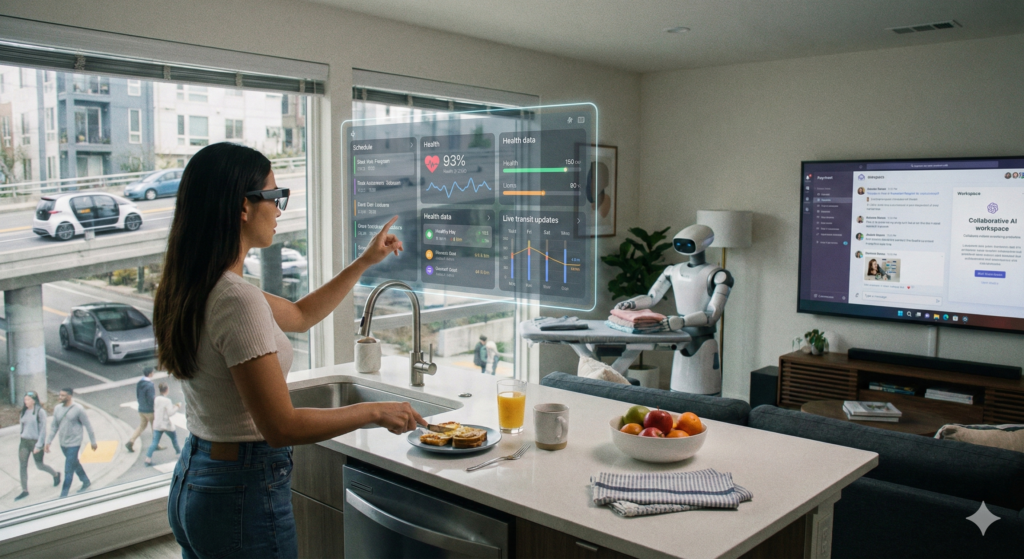

Future of Remote Work in 2026: How Technology Is Redefining Careers
Remote work has rapidly transformed from a temporary solution into a permanent work model. Advances in technology, digital collaboration tools, and cloud-based systems have enabled professionals to work efficiently from anywhere in the world. By 2026, remote work is expected to become even more advanced, flexible, and integrated into mainstream business culture.
This article explores how technology is shaping the future of remote work, its benefits, challenges, and what professionals and businesses can expect in the coming years.

What Is Remote Work
Remote work refers to a work arrangement where employees perform their job duties outside a traditional office environment. Using the internet, cloud platforms, and communication tools, professionals can work from home, co-working spaces, or even while traveling.
This flexible model allows organizations to hire talent globally and enables employees to balance professional responsibilities with personal life more effectively.
Why Remote Work Is Growing Rapidly
Several factors are driving the growth of remote work.
Technological Advancements
High-speed internet, cloud computing, and video conferencing platforms have made remote collaboration seamless. Tools such as project management software, virtual meeting rooms, and real-time messaging allow teams to stay connected regardless of location.
Changing Workforce Expectations
Modern professionals prioritize flexibility, autonomy, and work-life balance. Remote work offers freedom while maintaining productivity, making it an attractive option for employees and employers alike.
Role of Technology in Remote Work
Technology is the backbone of the remote work revolution.
Cloud Computing and Collaboration Tools
Cloud platforms allow employees to access documents, applications, and data securely from anywhere. As explained in our detailed guide on cloud computing explained, cloud infrastructure ensures smooth teamwork and business continuity.

Artificial Intelligence in Workforce Management
Artificial intelligence is optimizing workflows, automating tasks, and improving productivity. You can learn more about this in our article on the future of artificial intelligence in everyday life, which explains how AI is enhancing professional environments.
Benefits of Remote Work
Remote work offers significant advantages for both employees and businesses.
Increased Productivity
Flexible schedules and fewer workplace distractions allow professionals to focus better and produce higher-quality work.
Global Talent Access
Companies can hire skilled professionals from anywhere, increasing diversity and innovation.
Cost Efficiency
Businesses save on office space and infrastructure, while employees reduce commuting and relocation expenses.
Challenges of Remote Work
Despite its benefits, remote work also presents challenges.
Communication and Team Coordination
Lack of physical interaction can lead to misunderstandings. Effective communication tools and clear workflows are essential to maintain team alignment.
Cybersecurity and Data Privacy Risks
Remote environments increase exposure to cyber threats. As discussed in our article on cybersecurity in 2026, securing devices and networks is critical for protecting sensitive business data.

Future Trends in Remote Work
By 2026, remote work will be shaped by several emerging trends.
Hybrid Work Models
Many organizations will adopt hybrid models, combining remote and office-based work to balance flexibility and collaboration.
Virtual Offices and Metaverse Workspaces
Virtual reality and immersive technologies will create interactive digital workspaces, allowing teams to collaborate in realistic virtual environments.
Performance-Based Work Culture
Future work models will prioritize results over hours worked, encouraging efficiency and innovation.
How Remote Work Supports Career Growth
Remote work enables professionals to build global careers, access international opportunities, and develop digital skills. Continuous learning, online education, and remote collaboration tools allow individuals to stay competitive in a rapidly changing job market.
How FutureTechWay Helps You Stay Future-Ready
FutureTechWay simplifies emerging technology trends and helps professionals understand how innovation impacts careers and lifestyles. By covering topics such as artificial intelligence, cloud computing, and digital privacy, the platform empowers readers to adapt confidently to future work environments.
Final Thoughts on the Future of Remote Work
Remote work is no longer a trend. It is a fundamental shift in how the global workforce operates. By 2026, flexible work models supported by advanced technology will redefine careers, productivity, and professional success.
Those who adapt early and build digital skills will thrive in the future of work.
For more insights on future technology trends, visit the FutureTechWay homepage.