Web3 Explained: The Future of a Decentralized Internet
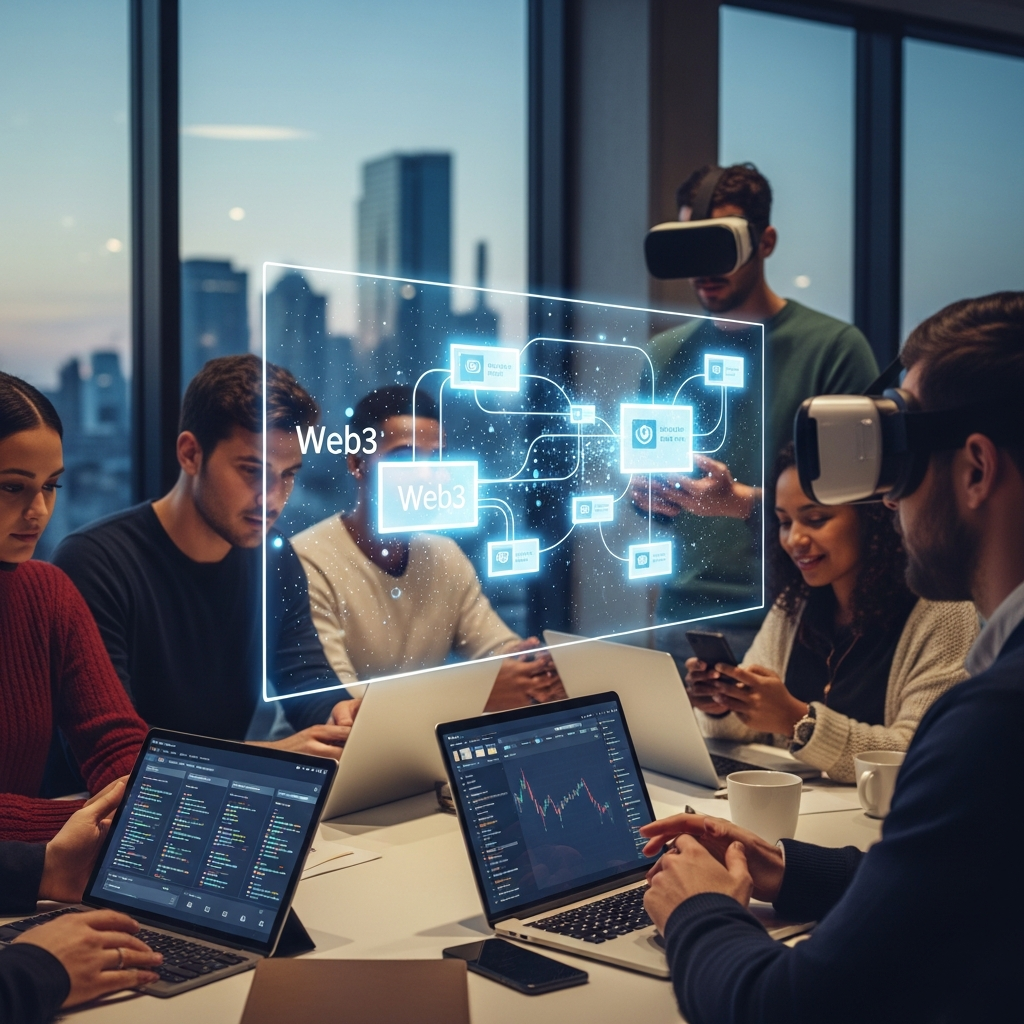
The internet is evolving, and a new phase known as Web3 is shaping the future of digital interaction. Unlike the traditional internet, where large corporations control data and platforms, Web3 aims to give power back to users. It introduces decentralization, transparency, and digital ownership, creating a more open and secure online world.
As concerns around privacy, data misuse, and platform control continue to rise, Web3 offers a promising alternative. This article explains what Web3 is, how it works, its benefits, challenges, and why it matters for the future of the internet.

What Is Web3 in Simple Words
Web3 refers to the next generation of the internet that is built on blockchain technology, decentralization, and user ownership. Instead of relying on centralized servers controlled by companies, Web3 uses distributed networks where users have greater control over their data and digital assets.
In Web3, individuals can interact directly with each other without intermediaries. This reduces dependency on large platforms and improves trust, privacy, and transparency.
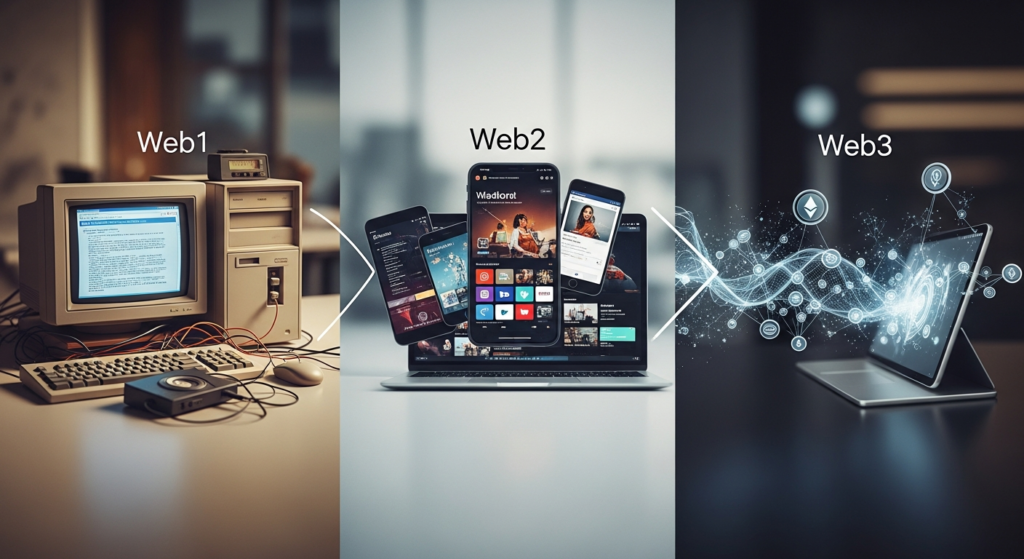
Evolution of the Internet: From Web1 to Web3
Web1 – Read Only Internet
Web1 was the earliest version of the internet, where users could only read information. Websites were static, and interaction was minimal.
Web2 – Social and Interactive Internet
Web2 introduced social media, content sharing, and interactive platforms. While it improved communication, it also centralized data under big companies.
Web3 – Decentralized Internet
Web3 focuses on decentralization, data ownership, and transparency. Users control their data and digital identities, reducing risks of misuse and surveillance.
How Web3 Works
Web3 uses blockchain networks, smart contracts, and decentralized applications (dApps) to function. Instead of storing data on a single server, information is distributed across a network of computers.
Smart contracts automatically execute actions when conditions are met, removing the need for intermediaries. This makes transactions faster, more secure, and transparent.
You can understand the foundation of this system in our guide on blockchain technology explained, which covers how decentralized data systems work.
Key Features of Web3
Decentralization
Web3 eliminates centralized control by distributing data across multiple nodes, reducing the risk of censorship and manipulation.
Digital Ownership
Users own their digital assets, identities, and data using cryptographic keys and blockchain-based wallets.
Enhanced Privacy
Unlike traditional platforms, Web3 minimizes data tracking and gives users greater control over what information they share.
Real-World Applications of Web3
Web3 is already transforming multiple industries.
Finance and Decentralized Payments
Decentralized finance allows users to send, receive, and manage funds without traditional banks. This improves financial inclusion and transaction speed.
Digital Identity and Data Security
Web3 enables secure identity systems where users control their credentials. This improves privacy and reduces identity theft risks, especially when combined with digital privacy best practices.
Content Creation and Digital Ownership
Creators can publish content directly and earn without platform restrictions, promoting transparency and fair compensation.
Benefits of Web3 Technology
Web3 introduces significant advantages that improve online experiences.
Increased Trust and Transparency
Blockchain-based systems provide public transaction records, increasing accountability and reducing fraud.
User Empowerment
Users gain control over their data, finances, and online identities, reducing dependence on centralized platforms.
Challenges and Limitations of Web3
Despite its potential, Web3 faces challenges such as scalability, technical complexity, and regulatory uncertainty. High transaction fees and limited user-friendly interfaces can also slow adoption.
However, ongoing innovation aims to improve usability, efficiency, and accessibility, making Web3 more practical for mainstream users.

Web3 and the Future of the Internet
Web3 is expected to play a major role in building a more secure, open, and user-focused internet. As concerns over privacy, data misuse, and centralized control grow, decentralized technologies will become increasingly important.
Future developments may include decentralized social networks, blockchain-based identity systems, and transparent digital governance models.
How FutureTechWay Helps You Understand Web3
FutureTechWay focuses on explaining emerging technologies in a simple and practical way. Web3 can feel complex, especially for beginners, but clear explanations help users understand its real-world impact.
By covering topics such as artificial intelligence, cybersecurity, cloud computing, and blockchain, FutureTechWay provides readers with a complete picture of the future digital ecosystem.
Final Thoughts on Web3
Web3 represents a shift toward a more open, transparent, and user-controlled internet. While still evolving, its impact on digital systems is already visible.
Understanding Web3 today helps individuals and businesses prepare for a future where data ownership, privacy, and decentralization define the digital experience.
For more insights on future technology trends, visit the FutureTechWay homepage.